Introduction
The impact of hybrid and remote work on hourly staffing trends is reshaping how UK SMEs approach recruitment and workforce management. As flexible arrangements become the norm, businesses are increasingly turning to on-demand experts to meet fluctuating demands, reducing costs while leveraging human skills in innovative ways.
The Rise of Hybrid and Remote Work in the UK
Hybrid and remote work have surged in popularity since the pandemic, with 2025 data showing that 58% of UK workers prefer hybrid roles, emphasising flexibility in schedules and environments. This evolution is driven by employee preferences for better work-life balance and organisational needs for agility, with 91% of organisations now offering flexible options like remote working or part-time hours.
Key Drivers and Statistics
Professionals and university graduates, particularly in London, are more likely to adopt these models, boosting overall employment rates. For SMEs, this means adapting to a workforce that values autonomy, with flexible working laws further supporting this shift. SMEs are leading in flexibility, with 65% enabling it for all or most employees, compared to 53% in larger organisations. Additionally, 18% of organisations have seen an increase in flexible working requests since the 2023 Employment Relations Act, often for hybrid setups or part-time roles.
Impact on Hourly Staffing Trends
These work arrangements are transforming hourly staffing by increasing demand for flexible, on-demand talent. SMEs are shifting towards part-time and contract roles to fill gaps in hybrid setups, allowing quick scaling without long-term commitments.
Evolving Demand for Flexible Experts
In 2025, hybrid models have normalised remote contract work, enabling SMEs to access global expertise on an hourly basis. This trend enhances agility, with businesses reporting improved talent sourcing through virtual platforms. Contract roles have increased year-on-year, with fractional hiring gaining traction for roles like marketing specialists or virtual assistants, often priced from £15 per hour. The rise of micro-shifts, short, stable, flexible positions, further supports hourly workers, particularly Gen Z, who now dominate 51.5% of shift work hours.
Benefits for UK SMEs
Adopting hybrid and remote hourly staffing offers substantial advantages, particularly in cost management and expertise acquisition.
- Cost Reduction: Remote models lower overheads like office space and utilities, creating savings that SMEs can reinvest. Employers can save over $11,000 per half-time remote worker annually, with broader economic benefits.
- Access to Human Expertise: Flexible staffing widens the talent pool, bringing specialised skills without full-time hires, such as SEO experts or data analysts on a fractional basis.
- Improved Retention and Productivity: Hybrid arrangements reduce stress and boost engagement, leading to higher output. Remote workers are 35-40% more efficient, with 77% reporting increased productivity. Flexible working positively impacts retention, with a net score of +62 for attraction and retention.
- Innovation Boost: Diverse remote teams foster creativity, essential for competitive SMEs, and support geographic expansion.
For more on flexible solutions, visit our flexible staffing page.
Strategies for Managing Remote Hourly Teams
Effective management is key to maximising the benefits of remote hourly staffing.
Communication and Collaboration Tools
Prioritise platforms like Slack or Microsoft Teams for seamless interaction, ensuring clear expectations for hourly roles. These tools support remote scheduling and reduce conflicts in hybrid environments.
Performance Tracking
Set measurable goals and use regular check-ins to maintain accountability, adapting to variable schedules. Focus on outcomes rather than hours, with scoped SLAs for fractional roles.
Building Team Cohesion
Organise virtual team-building activities to foster belonging, even in short-term engagements. This addresses isolation risks and enhances well-being in remote setups.
The Role of AI in Hybrid Staffing Models
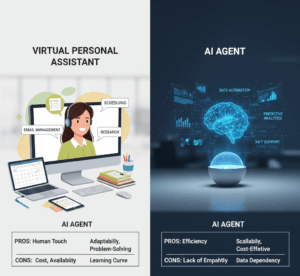
AI tools are pivotal for oversight in remote setups, complementing human expertise.
AI for Oversight and Efficiency
Use AI-driven software for time tracking and productivity analysis, reducing manual efforts while ensuring compliance. AI identifies performance patterns and streamlines HR workflows for SMEs. In hourly work, AI enhances job matching for micro-shifts, supporting stability without replacing jobs. 63% of shift workers view it positively.
Integrating AI with Human Skills
In hybrid models, AI handles routine tasks, freeing hourly staff for high-value work, thus optimising costs. Discover our AI solutions at our AI tools page.
Overcoming Challenges
While beneficial, challenges like productivity dips or isolation can arise, with 25% of organisations noting difficulties in remote team management. Address them through structured principles, training, and pilot programmes to ensure smooth transitions. Concerns include cybersecurity risks (57% report higher breach threats) and tensions between remote and on-site workers (29%). Start with small sprints and de-risk hires via skills tests and escrow payments.
Conclusion
The impact of hybrid and remote work on hourly staffing trends presents UK SMEs with opportunities for cost-effective, agile workforce solutions. By embracing flexible experts, implementing management tips, and integrating AI, businesses can enhance efficiency and innovation. Key takeaways include reduced costs, broader talent access, and the need for proactive oversight to thrive in this evolving landscape.
Unlock Flexible Staffing Success Today
Ready to harness hybrid and remote trends for your hourly staffing needs? Connect with Staffnow for customised strategies that drive growth and efficiency. Visit our contact page to begin your journey.
Frequently Asked Questions
Adopting hybrid and remote work in hourly staffing raises several queries for UK SMEs. Below, we address common ones to help you implement these trends effectively.